Exploring the cutting-edge world of hydroponic and aeroponic systems with Hummert Greenhouse Supply at the helm promises a fascinating journey into modern agriculture. Brace yourself for a deep dive into innovative farming techniques that are revolutionizing the industry.
Overview of Hummert Greenhouse Supply
Hummert Greenhouse Supply has a rich history dating back to 1932 when August H. Hummert Sr. founded the company in St. Louis, Missouri. Initially starting as a small business providing florists with seeds and supplies, the company has grown over the decades to become a leading supplier of greenhouse and garden products.
Range of Products
- Hummert Greenhouse Supply offers a wide range of products including greenhouse structures, growing media, containers, irrigation systems, lighting solutions, and pest control products.
- They also provide a variety of seeds, plants, and propagation supplies for both commercial growers and hobbyists.
- The company is known for its innovative hydroponic and aeroponic systems that cater to the needs of modern growers looking for efficient and sustainable growing solutions.
Reputation in the Industry
With over 85 years of experience in the industry, Hummert Greenhouse Supply has built a strong reputation for quality products and exceptional customer service. They are trusted by professional growers, universities, research institutions, and hobbyists alike for their expertise and commitment to providing top-notch gardening supplies.
Importance of Innovation in Hydroponic and Aeroponic Systems
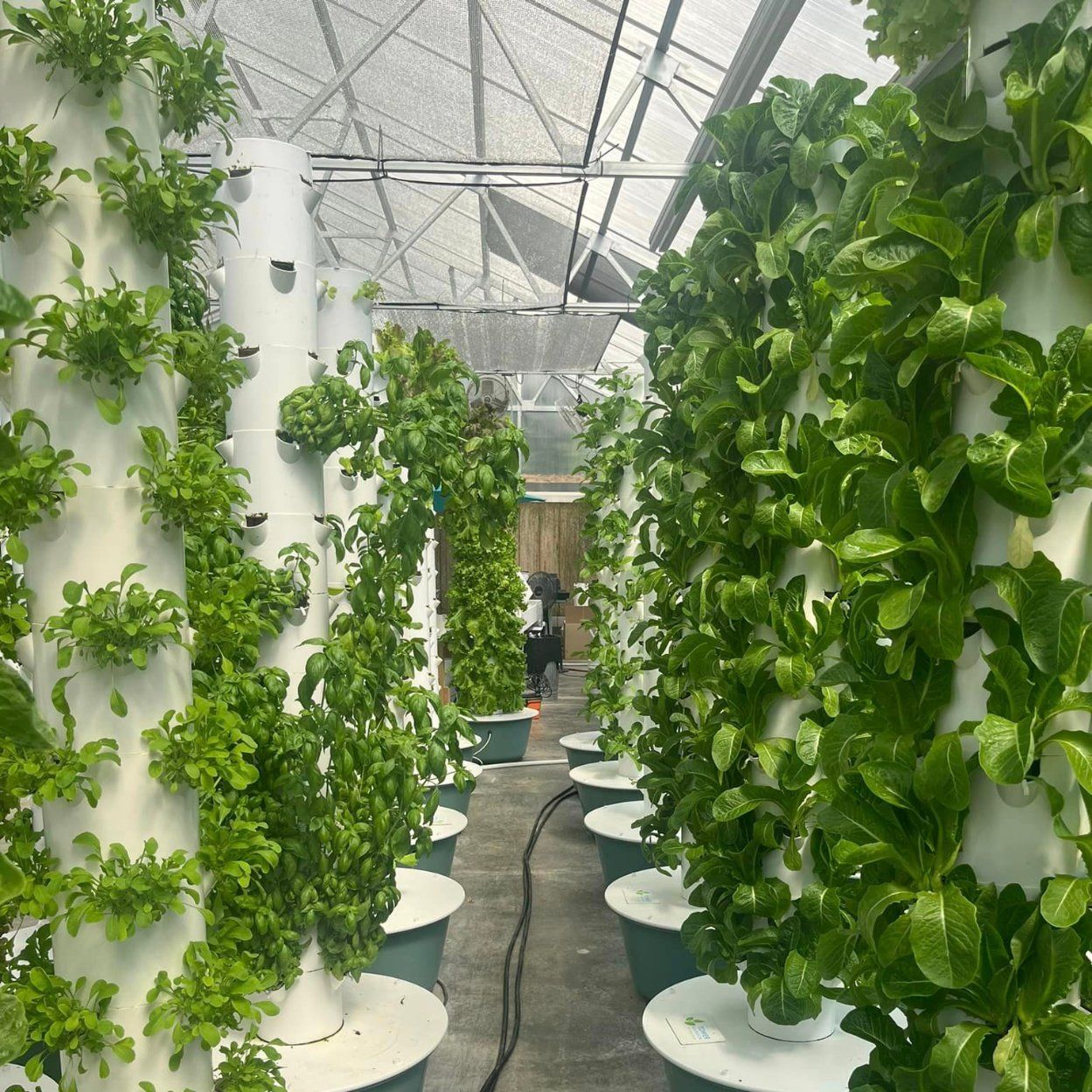
In modern agriculture, the use of hydroponic and aeroponic systems plays a crucial role in sustainable food production and resource management. These innovative systems offer several advantages over traditional farming methods, making them increasingly popular among growers worldwide.
Significance of Hydroponic and Aeroponic Systems
Hydroponic and aeroponic systems eliminate the need for soil, allowing plants to grow in a nutrient-rich water solution. This method maximizes space utilization, reduces water consumption, and enhances crop yield. By providing precise control over nutrient delivery and environmental conditions, these systems promote faster growth and healthier plants.
Comparison with Traditional Farming Methods
- Traditional farming methods rely on soil for plant growth, which can be limited by soil quality and availability. Hydroponic and aeroponic systems overcome these limitations by providing a controlled environment for plants to thrive.
- Unlike traditional farming, hydroponic and aeroponic systems do not require extensive land use, making them ideal for urban areas or regions with limited arable land. This efficient use of space is essential for sustainable agriculture practices.
- Moreover, traditional farming often involves the use of chemical pesticides and fertilizers, which can harm the environment and human health. In contrast, hydroponic and aeroponic systems reduce the need for such chemicals, promoting eco-friendly farming practices.
Environmental Benefits of Innovative Systems
Utilizing hydroponic and aeroponic systems can lead to significant environmental benefits, such as:
- Reduced water consumption: These systems use water more efficiently than traditional farming, minimizing water wastage and promoting conservation.
- Lower carbon footprint: By eliminating the need for extensive land use and transportation of produce, hydroponic and aeroponic systems reduce greenhouse gas emissions associated with agriculture.
- Minimized chemical runoff: With precise nutrient delivery and pest control, these systems decrease the environmental impact of chemical runoff into water sources, preserving water quality.
Hydroponic Systems Offered by Hummert Greenhouse Supply
Hydroponic systems provided by Hummert Greenhouse Supply offer innovative solutions for growing crops without soil, maximizing efficiency and yield.Nutrient Film Technique (NFT) System
- NFT system involves a shallow stream of nutrient-rich water flowing through channels where plant roots are suspended.
- Advantages:
- Continuous nutrient supply promotes rapid growth.
- Water and nutrient efficiency as excess is recirculated.
- Examples of crops: Lettuce, herbs, strawberries.
Drip Irrigation System
- Drip irrigation system delivers nutrient solution directly to the plant's root system using a network of tubes and emitters.
- Advantages:
- Precise control over water and nutrients.
- Reduces water wastage and minimizes nutrient leaching.
- Examples of crops: Tomatoes, peppers, cucumbers.
Aeroponic System
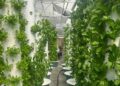
- Aeroponic system involves suspending plant roots in an air/mist environment where nutrients are delivered through a fine mist.
- Advantages:
- Oxygen-rich environment promotes rapid growth.
- Conserves water and nutrients compared to other systems.
- Examples of crops: Strawberries, leafy greens, herbs.
Aeroponic Systems Offered by Hummert Greenhouse Supply
Aeroponic systems available at Hummert Greenhouse Supply offer cutting-edge technology for efficient plant growth and cultivation. These systems utilize a unique method of growing plants without soil, providing numerous benefits and advantages over traditional methods.Efficiency and Benefits of Aeroponic Systems
Aeroponic systems are highly efficient in delivering nutrients directly to the plant roots, promoting faster growth and higher yields. By misting the plant roots with a nutrient-rich solution, aeroponic systems ensure optimal nutrient absorption and oxygenation, leading to healthier and more robust plants. The precise control over nutrient delivery and environment in aeroponic systems results in reduced water usage and nutrient waste, making them an environmentally friendly choice for sustainable agriculture.Differences from Traditional Hydroponic Setups
Unlike traditional hydroponic setups where plant roots are submerged in water, aeroponic systems suspend plant roots in the air and mist them with a nutrient solution. This innovative approach eliminates the risk of root rot and allows for better aeration, leading to faster growth and healthier plants. Aeroponic systems also require less water and nutrients compared to hydroponic systems, making them a cost-effective and efficient choice for commercial growers and hobbyists alike.Innovations in Hydroponic and Aeroponic Technology
Technology has played a significant role in advancing hydroponic and aeroponic systems, leading to increased efficiency and higher yields. Let's explore some of the latest technological advancements in these innovative growing methods and how they have been integrated by Hummert Greenhouse Supply.
Advancements in Hydroponic Systems
- Utilization of IoT (Internet of Things) sensors for precise monitoring of nutrient levels, pH, temperature, and humidity.
- Integration of automated nutrient dosing systems for accurate and timely delivery of nutrients to plants.
- Development of vertical farming systems to maximize space utilization and increase crop yield per square foot.
- Implementation of LED grow lights with adjustable spectra to optimize plant growth during different growth stages.
- Adoption of recirculating systems to reduce water wastage and promote sustainability in hydroponic cultivation.
Innovations in Aeroponic Systems
- Introduction of misting technology for delivering nutrients directly to plant roots, promoting faster growth and nutrient absorption.
- Incorporation of high-pressure aeroponic systems for enhanced nutrient uptake and root oxygenation.
- Utilization of fogponics, a variation of aeroponics, where nutrient-rich fog is used to nourish plant roots efficiently.
- Integration of automated monitoring systems to maintain optimal growing conditions and adjust nutrient delivery in real-time.
- Development of modular aeroponic towers for scalability and flexibility in various growing environments.
Concluding Remarks
In conclusion, Hummert Greenhouse Supply stands as a beacon of innovation in the realm of hydroponic and aeroponic systems, offering a glimpse into the future of sustainable agriculture. Embrace the future today with these groundbreaking technologies.
Question Bank
What are the environmental benefits of utilizing hydroponic and aeroponic systems?
Hydroponic and aeroponic systems use significantly less water and space compared to traditional farming methods, reduce the need for pesticides, and minimize soil erosion.
How do aeroponic systems differ from traditional hydroponic setups?
Aeroponic systems suspend plant roots in the air and mist them with a nutrient solution, while traditional hydroponic systems submerge roots in a nutrient solution. This difference allows for more oxygen to reach the roots in aeroponic systems.