Exploring the world of Essential Greenhouse Potting Supplies for Professional Growers unveils a plethora of vital tools and techniques essential for successful cultivation. From soil to containers, irrigation systems to fertilizers, this guide offers valuable insights for seasoned growers and novices alike.
Delve into the intricacies of greenhouse potting with this informative piece that aims to educate and enlighten enthusiasts in the field.
Essential Greenhouse Potting Supplies
Professional greenhouse growers require specific potting supplies to ensure the healthy growth of their plants. Here are the must-have supplies and their importance in the potting process:
Potting Mix
One of the most crucial supplies for greenhouse growers is a high-quality potting mix. This mix provides the necessary nutrients, drainage, and aeration for plant roots to thrive.
Pots and Containers
Choosing the right pots and containers is essential for plant growth. They should have proper drainage holes and be the appropriate size for the plant being potted.
Hand Tools
Hand tools such as trowels, pruners, and watering cans are indispensable for greenhouse growers. They help in planting, pruning, and watering plants effectively.
Fertilizer
Fertilizer is essential to provide plants with the necessary nutrients for healthy growth. There are various types of fertilizers available, including organic and synthetic options.
Labels and Markers
Labels and markers are crucial for keeping track of the plants in the greenhouse. They help identify different plant varieties and track their growth progress.
Potting Soil and Mixes
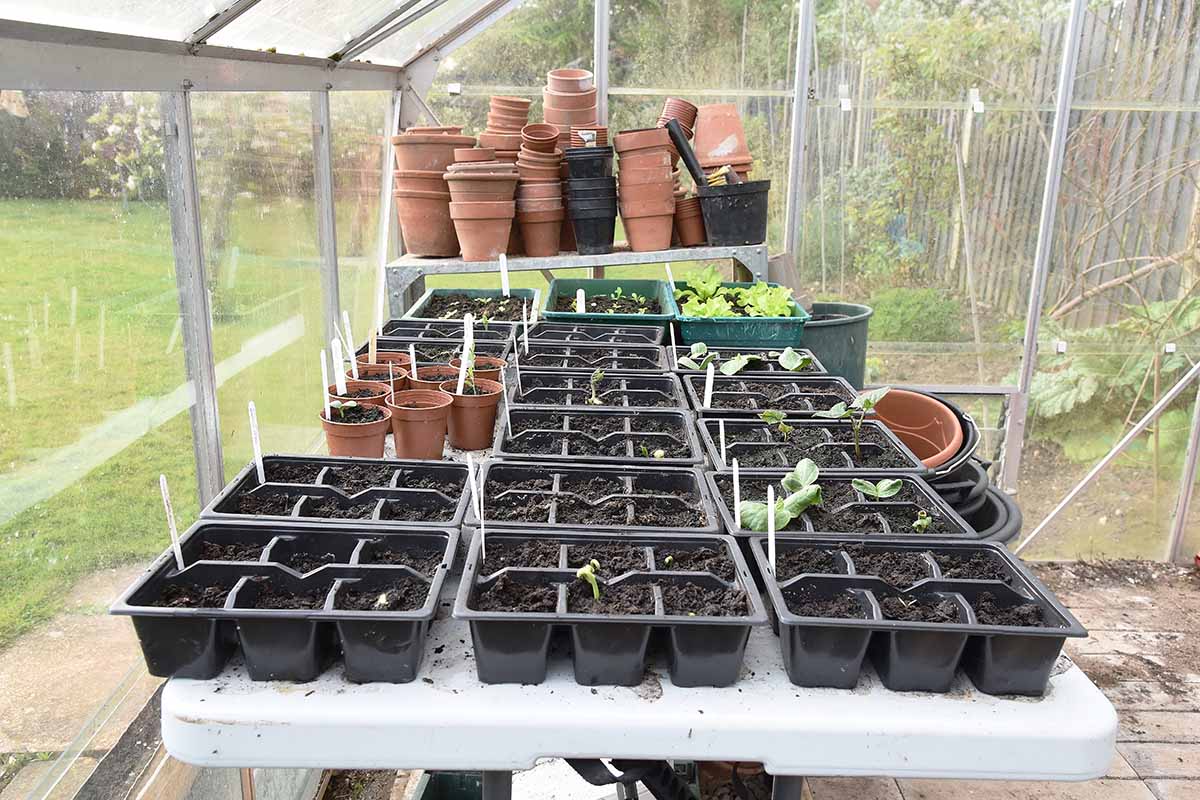 When it comes to greenhouse gardening, choosing the right potting soil is crucial for the health and growth of your plants. Different types of potting soils and mixes are available, each catering to specific plant needs and requirements.
Types of Potting Soils
- Peat-based Mix: Ideal for plants that require good drainage and aeration.
- Coir-based Mix: Sustainable alternative to peat-based mixes, retains moisture well.
- Vermiculite Mix: Lightweight and provides good aeration for plant roots.
- Perlite Mix: Improves drainage and prevents soil compaction.
Choosing the Right Potting Soil
- Consider the type of plant: Different plants have different soil requirements, so choose a mix that suits their needs.
- Check the pH balance: Some plants thrive in acidic soil, while others prefer a more neutral pH.
- Look for added nutrients: Some potting mixes come with added fertilizers or nutrients that can benefit specific plants.
Creating Custom Potting Mixes
- Combine peat moss, perlite, and vermiculite for a well-draining mix suitable for a wide range of plants.
- Add compost or organic matter for extra nutrients and microbial activity in the soil.
- Adjust the mix based on the specific needs of your plants, such as moisture retention or aeration.
Containers and Pots
When it comes to greenhouse potting, choosing the right containers and pots is essential for the health and growth of your plants. Different types and sizes are available to cater to various plant needs.Types and Sizes of Containers and Pots
- Plastic Pots: Lightweight and durable, these pots come in a variety of sizes and are great for plants that require frequent watering.
- Terracotta Pots: These clay pots are breathable and provide good insulation for plant roots. They are ideal for plants that prefer drier soil conditions.
- Fabric Pots: Made from breathable fabric, these pots promote air pruning of roots and prevent overwatering. They are excellent for promoting healthy root development.
Selecting the Appropriate Container
- Consider the size of your plant: Choose a container that allows enough room for the roots to grow without being too cramped.
- Think about drainage: Ensure the pot has proper drainage holes to prevent waterlogging, especially for plants that are sensitive to overwatering.
- Match the material to plant needs: Plastic pots are versatile and retain moisture well, while terracotta pots are better suited for plants that prefer drier conditions.
Benefits of Different Materials
- Plastic Pots: Easy to clean, lightweight, and affordable.
- Terracotta Pots: Provide good insulation, breathable, and add a rustic look to your greenhouse.
- Fabric Pots: Promote air pruning, prevent root circling, and improve overall root structure.
Watering and Irrigation Systems
Proper watering is crucial for the health and growth of plants in a greenhouse. Let's explore the essential tools and techniques needed for effective watering and irrigation.Watering Tools
- Drip Irrigation Systems: These systems deliver water directly to the plant roots, minimizing water waste and ensuring efficient hydration.
- Watering Cans: Ideal for targeted watering of individual plants, especially those in containers or hanging baskets.
- Sprinklers: Useful for watering larger areas of plants in containers or on benches within the greenhouse.
Proper Watering Techniques
- Check Soil Moisture: Before watering, always check the soil moisture to avoid overwatering. Stick your finger into the soil to feel if it's dry.
- Water in the Morning: Watering plants in the morning allows for absorption before the heat of the day evaporates the water.
- Avoid Wetting Foliage: Water the soil directly to prevent fungal diseases that can occur from wet foliage.
Automated Irrigation Systems
Automated irrigation systems, such as programmable timers and drip irrigation, offer a convenient and efficient way to water plants in a greenhouse. These systems can be set to deliver the right amount of water at the right time, ensuring that plants receive consistent hydration without the risk of overwatering. Investing in automated irrigation systems can save time and resources, while also promoting healthier plant growth overall.Plant Labels and Markers
Plant labels and markers play a crucial role in a greenhouse setting, allowing professional growers to easily identify and track different plant varieties, monitor growth progress, and keep organized records for efficient management.Durable and Weather-Resistant Plant Labels and Markers
- Choose labels made of materials like metal, plastic, or vinyl that can withstand moisture, sunlight, and other environmental factors in a greenhouse.
- Opt for markers with fade-resistant ink or engraving to ensure longevity and readability over time.
- Consider using waterproof labels or markers to prevent smudging or running of important plant information.
Creative Organization and Plant Labeling Techniques
- Implement a color-coded labeling system based on plant types, growth stages, or specific care requirements to easily identify and differentiate plants at a glance.
- Utilize plant tags with writable surfaces or attachable labels for personalized notes, dates, or planting details for each plant.
- Create a labeling map or grid layout within the greenhouse to assign specific locations and labels for each plant variety, streamlining maintenance and care tasks.
Fertilizers and Nutrients
Fertilizers and nutrients play a crucial role in greenhouse plant growth by providing essential elements needed for healthy development. They help in promoting root growth, flower production, and overall plant vitality.Organic vs. Synthetic Fertilizers
When it comes to professional greenhouse cultivation, both organic and synthetic fertilizers have their benefits. Organic fertilizers are derived from natural sources and provide a slow release of nutrients over time, improving soil structure and microbial activity. On the other hand, synthetic fertilizers are fast-acting and can be easily customized to meet specific plant needs. Professional growers often choose a combination of both types to maximize plant growth and health.Creating a Fertilization Schedule
To create an effective fertilization schedule for different plant species, it is essential to consider factors such as plant type, growth stage, and environmental conditions. Start by testing the soil to determine nutrient deficiencies and pH levels. Based on the results, select a fertilizer with the appropriate NPK ratio and micronutrients. Develop a schedule that Artikels when and how much fertilizer to apply, taking into account the plant's nutrient requirements at each growth stage. Regular monitoring and adjustments to the fertilization plan will help ensure optimal plant health and growth.Outcome Summary
In conclusion, mastering the art of greenhouse potting requires a careful selection of supplies and a deep understanding of plant needs. By incorporating these essential tools and practices into your growing routine, you can nurture thriving plants and create a flourishing greenhouse environment.
Key Questions Answered
Which potting soil is best for succulents?
Succulents thrive in well-draining soil mixtures with a high percentage of perlite or sand to prevent root rot. Cactus potting mixes are ideal for succulents due to their fast-draining properties.
How often should I water greenhouse plants?
The frequency of watering greenhouse plants varies depending on factors like plant type, season, and environmental conditions. Generally, it's recommended to water when the top inch of soil feels dry to the touch.
Can I reuse plastic pots for repotting plants?
Yes, plastic pots can be reused for repotting plants after thorough cleaning and sanitizing. Ensure to provide fresh potting soil and inspect the pot for any damage before transferring the plant.